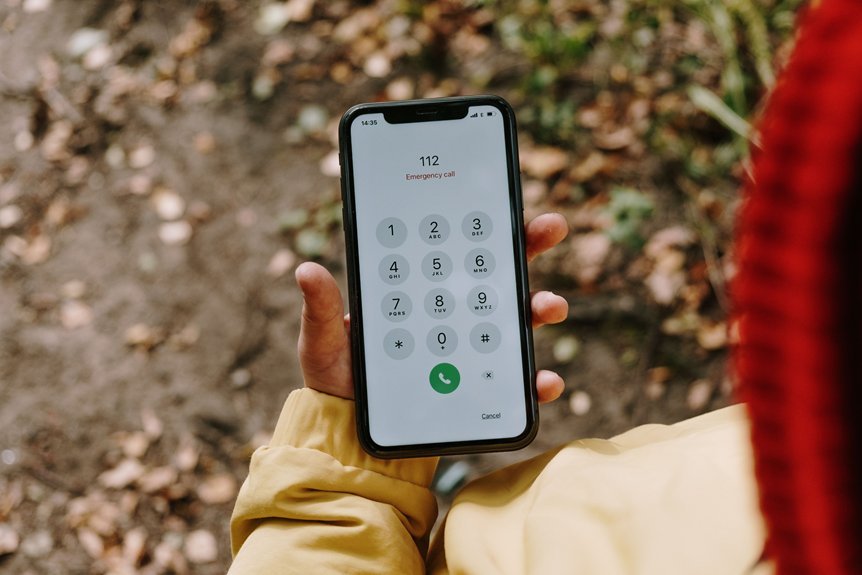
When 843-582-0002 causes recurring issues, a measured approach helps. Start with non-intrusive caller-id checks and verify legitimacy against known contacts without exposing personal data. Establish clear boundaries and preferred contact methods, then log each interaction with time, date, and context. Use privacy safeguards before sharing information and apply screening or blocking tools as needed. Regular audits ensure accuracy and security, balancing safety with autonomy, leaving the next step open for practical adjustments.
Verify the Caller Without Sharing Personal Details
To verify the caller without exposing personal information, the recipient should implement a set of standard verification steps that do not require sharing sensitive data. Verification relies on objective checks to verify legitimacy, including caller-id analysis and cross-referencing known contacts. Privacy safeguards maintain privacy while establishing communication boundaries, ensuring the caller’s intent is clear without disclosing details.
Set Boundaries and Preferred Contact Methods
Establishing clear boundaries and preferred contact methods helps both parties manage expectations and protect privacy.
The discussion outlines exact limits for interactions, emphasizing boundaries for calls and preferred contact methods to reduce friction and protect time.
Caller verification remains essential to ensure legitimate interactions, while channels are restricted to established options.
These practices support autonomy, safety, and efficient, respectful communication.
Document Interactions and Assess Legitimacy
Document interactions and assess legitimacy by implementing a structured record-keeping process. The approach documents dates, times, numbers, and context, enabling objective review.
Privacy checks and caller verification are central, confirming identities before sharing sensitive information. Records should be accessible to authorized parties, yet secure, ensuring accountability. Regular audits help maintain accuracy, reduce misinterpretation, and support informed decision-making while preserving user autonomy.
Use Screening and Blocking Tools When Needed
Screening and blocking tools provide a targeted means to manage potential risks identified in earlier record-keeping and verification efforts. The approach emphasizes measured control without overreach, enabling responsive decisions.
Call screening and blocking actions protect personal time and data, while maintaining transparency. Respect for Privacy boundaries guides tool configuration, ensuring legitimate communication remains possible and unwanted contact is deterred through precise, nonintrusive controls.
Frequently Asked Questions
How Can I Verify a Caller’s Intent Ethically?
To verify intent ethically, one should verify intent ethically and assess consent promptly, using transparent questions and recorded opt-ins. The caller’s signals must be evaluated neutrally, with documentation and respect for freedom while maintaining privacy and boundaries.
What Privacy Safeguards Protect My Information?
Like a lighthouse, privacy safeguards illuminate careful steps. The answer describes data minimization, caller verification, ethical intent, escalation triggers, authorities involvement, scam indicators, spoofing signs, documentation practices, record keeping, and reliable privacy safeguards.
When Should I Escalate to Authorities or Carriers?
Escalation criteria should trigger authorities or carriers when evidence indicates fraud, harassment, or persistent disruption; ethical verification is essential before reporting. The decision remains guided by risk assessment, legal obligations, and a preference for transparent, responsible action.
What Signs Indicate a Potential Scam or Spoofing?
Signs of spoofing loom when caller IDs misrepresent origin, voices imitate familiar figures, or prompts pressure urgency; ethics of verification demands independent checks, cross-referencing numbers, and patient skepticism to prevent deception and preserve autonomy.
How Can I Document Issues for Future Reference?
Documentation best practices recommend recording incident timelines, including dates, times, actions, and outcomes, then securely storing evidence. This enables future reference, audit trails, and accountability, while preserving clarity and user autonomy in evaluating potential issues.
Conclusion
The article concludes with a wry nod to modern telephony: verify without revealing, like a cautious concierge who knows every courtesy but none of your secrets. Boundaries are not barriers but blueprints, and preferred channels become the guards at the gate. Documentation is the museum label, not the exhibit. Screening and blocking tools are the digital bouncers, routinely auditing for truth. In short, safety and autonomy share the stage, occasionally swapping punchlines, never losing sight of clarity and control.